
Cargo Theft Hotspots in Texas: DFW Ranks High - Here's How to Protect Your Load
Cargo theft runs high around Dallas Fort Worth. See where the hotspots are and how smart parking choices help protect your load from costly theft.
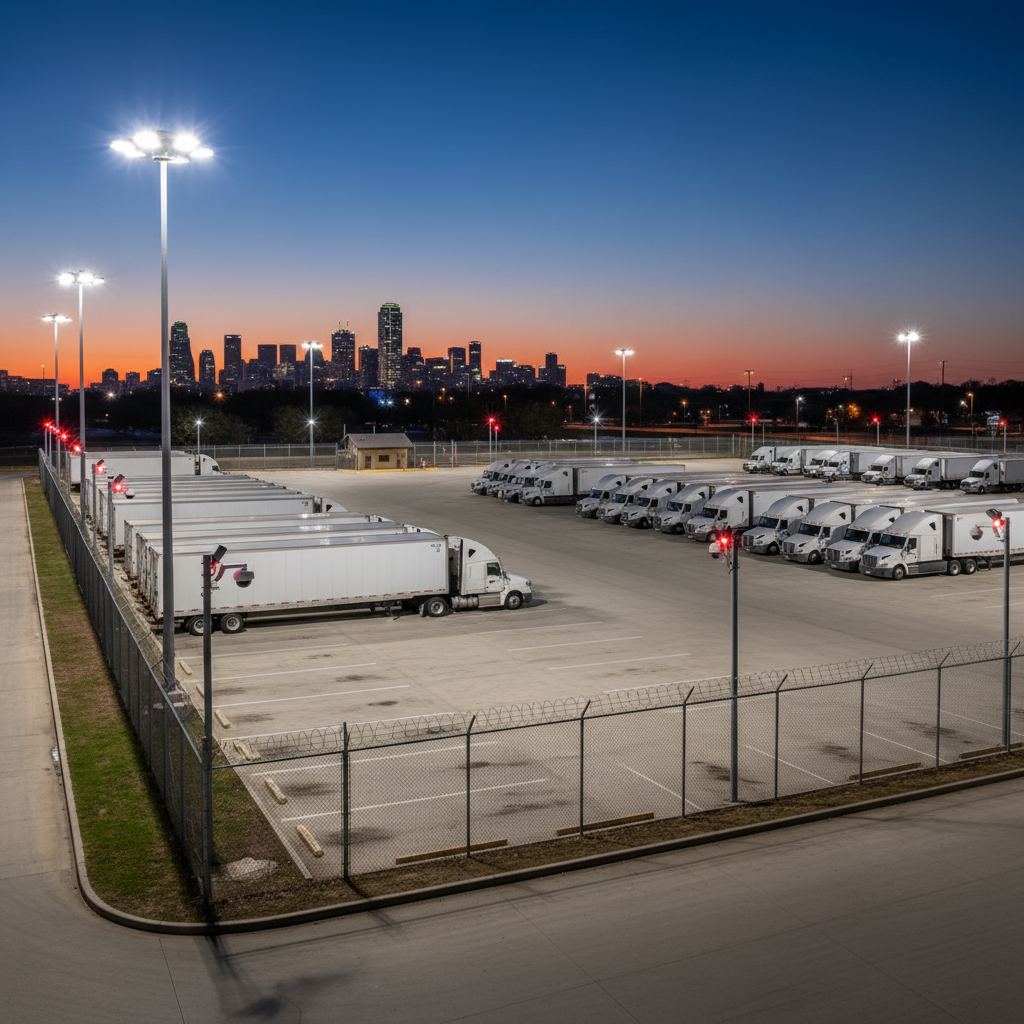
Cargo theft is a real problem in Texas, especially around DFW where freight volume is high and loads are constantly moving through the region. A bad parking decision can turn into a very expensive problem fast, and even one weak stop can make the whole load vulnerable. In a market this busy, drivers have to think about theft risk every time they stop.
If you haul through this area, parking choice is part of theft prevention. Where you stop matters just as much as how you lock your trailer. A good parking choice can make theft far less appealing and give you one less thing to worry about at the end of the day. That is especially true when you are carrying freight that is easy to move and easy to resell.
Why DFW Is a Target
Dallas-Fort Worth is one of the busiest freight hubs in the country. That makes it efficient for business and attractive for thieves looking for valuable freight. More freight moving through the area means more chances for the wrong person to spot a target. The volume that helps the market also creates more noise for thieves to hide in.
Common Theft Tactics
Theft can happen through trailer break-ins, deceptive pickups, or simple opportunistic grabs when a truck is left in an unsecured place. The most common thefts often happen when drivers assume a quick stop is safe enough, because thieves look for the easiest opportunity. If a stop looks loose, it becomes a target fast.
How to Protect a Load
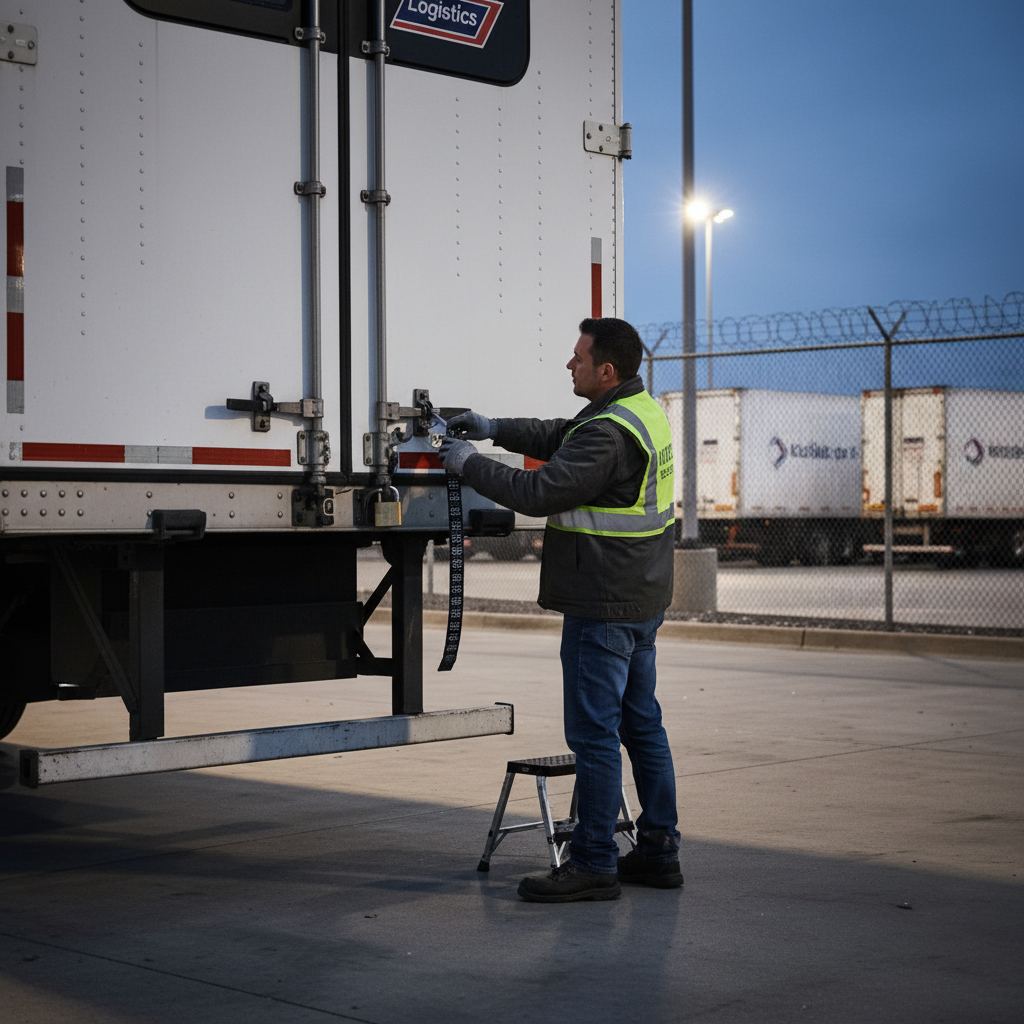
Use good locks, verify handoff details, and avoid parking in places where your truck is easy to access and hard to monitor. The fewer opportunities you give them, the better, because a few extra minutes of caution can save a load. Good habits and a smart stop work together to lower risk.
Why Secure Parking Helps
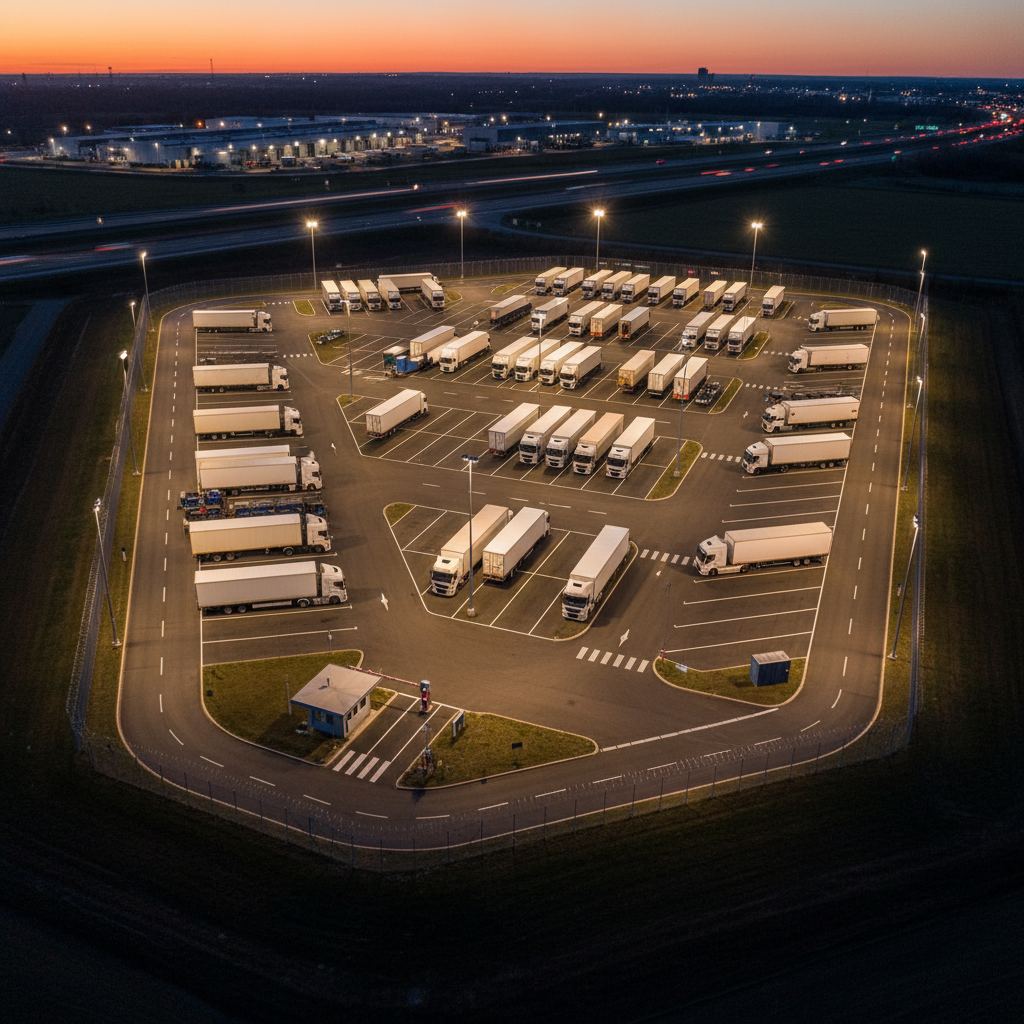
A gated, monitored lot reduces opportunity. It gives drivers a better chance to sleep without worrying about what is happening outside the cab. That makes a big difference when a load is sitting overnight and can help keep a delivery on schedule. It also puts a little more distance between a thief and an easy win.
How SafeStop Helps
SafeStop gives drivers a controlled place to park in DFW, which helps reduce theft risk and makes the stop feel safer overall. It gives drivers one less thing to worry about before they sleep, which matters when a driver is already juggling a tight route. For commercial teams planning a stop before pickup, delivery, or a delay window, SafeStop also offers information on secure freight staging in DFW and high-value freight parking near Dallas.
FAQ
Is DFW really a high-risk area? Yes. Freight density makes it a target, and that is exactly why parking choice matters so much in this market. The busiest freight zones usually need the strongest parking habits.
Does secure parking prevent theft completely? No, but it makes theft much harder. Anything that slows a thief down improves the odds, and that extra friction can be enough to send a thief elsewhere. Harder targets usually get skipped.
For drivers, the smartest move is to treat the lot as part of the security plan, not something separate from it. Park where the entrance is controlled, the lighting is strong, and the property is actively monitored. Keep seals documented, avoid sharing arrival details publicly, and move with the load like someone is watching. Thieves look for routine and weak spots, so breaking the pattern can matter more than people think.
Carrier habits matter too. Do not advertise your route or stop locations on social media, avoid predictable rest patterns when possible, and check the lot before backing in. If a facility feels thin on security, keep moving if you can or choose the most protected option available. One extra mile is cheaper than losing a trailer or dealing with a stolen load.