
Truck Parking for Team Drivers: What Dual-Drivers Need on the Road
Team drivers have different needs: 24-hour access, off-duty rest space, security during shift changes. Here's what dual-driver operations should expect.
Truck Parking for Team Drivers: What Dual-Driver Teams Need on the Road
Team driving is one of the most efficient setups in the freight industry. While one driver rests, the other keeps the truck moving, turning what would be a four-day solo run into a two-day sprint. Shippers love team freight because it arrives faster. Carriers love it because the truck never stops earning. But for the two people actually living in that cab — a reality that the OOIDA has highlighted as a growing concern, team driving creates a unique set of challenges that most parking facilities are not designed to address.
Finding parking that works for a team is fundamentally different from solo driver parking. You need space for two people to sleep, eat, and recover on opposite schedules. You need amenities that support a 24-hour operation. You need security that protects both the truck and the resting driver while the other is away. And you need a facility that understands that a team arrival at 3 AM is just as important as a solo arrival at 7 PM.
Why Team Drivers Have Different Parking Needs
Understanding the team driver experience is essential to understanding why standard truck parking often falls short. A solo driver pulls in, parks, sleeps, and leaves. Simple. A team driver’s experience looks more like this:
- Shift changes happen at all hours. The FMCSA allows team drivers to log off-duty time in a moving truck as long as the other driver is on duty. This means one driver might be settling into the bunk while the other is still driving, or one might need to step out for a meal while the other sleeps.
- Rest quality is harder to achieve. Sharing a small sleeper cab with someone on a different schedule means more noise, more light, and more disruption. The facility where you park directly affects how well the off-duty driver can rest.
- Cargo is unattended during shift changes. When both drivers are out of the cab at the same time, even briefly, the load is vulnerable. According to the OOIDA, in high-theft corridors, those few minutes of unattended time are enough for a determined thief.
- Two people need twice the amenities. One driver needs a shower while the other needs WiFi to check load boards. One needs laundry while the other needs a meal. Parking facilities designed for solo drivers often cannot handle this concurrent demand.
As we outline in our guide to reserving truck parking in Dallas, team drivers face steeper competition for spots because they often arrive at off-peak hours when fewer facilities have staff on hand to help.
The Minimum Requirements for Team-Friendly Parking
Not every truck parking facility can serve team drivers well. Here are the non-negotiable features that dual-driver teams should demand:
24-Hour Gate Access
Team drivers operate around the clock. A facility that locks its gates from 10 PM to 6 AM is useless to a team that needs to depart at 2 AM or arrive at 4 AM. Look for facilities with automated gate access that operates on a 24/7 basis, ideally with individual access codes or RFID credentials so both drivers can enter and exit independently.
Separate Rest Zones
The best team-friendly facilities offer designated quiet zones or areas where the layout naturally reduces noise and light disruption. This is not a luxury. For a driver trying to sleep during daylight hours while their partner is outside the truck, the difference between a well-designed lot and a cramped, noisy one is the difference between restorative sleep and dangerous fatigue.
On-Site Amenities That Support Split Schedules
Facilities with showers, laundry, driver lounges, and food options are valuable for all drivers, but they are essential for teams. When one driver is on duty and the other is off, the off-duty driver needs a place to decompress that is not the bunk of a moving truck. Our breakdown of the best truck parking amenities in DFW covers which facilities go beyond the basics to support real driver needs.
Reliable, High-Speed WiFi
Both drivers need connectivity, often at the same time. One might be video-calling family while the other is checking load boards or submitting electronic logs. Facilities that skimp on bandwidth leave both drivers frustrated and less productive.
Security Considerations Unique to Team Drivers
Security is important for every driver, but team drivers face specific risks that solo drivers do not. Understanding these risks helps you choose parking facilities that mitigate them.
The Shift-Change Vulnerability
The most dangerous moment for a team is the shift change, when both drivers are outside the truck at the same time. This might happen at a fuel island, a truck stop, or the parking lot itself. During those minutes, the cab is unlocked, the cargo is unattended, and both drivers are distracted by the transition.
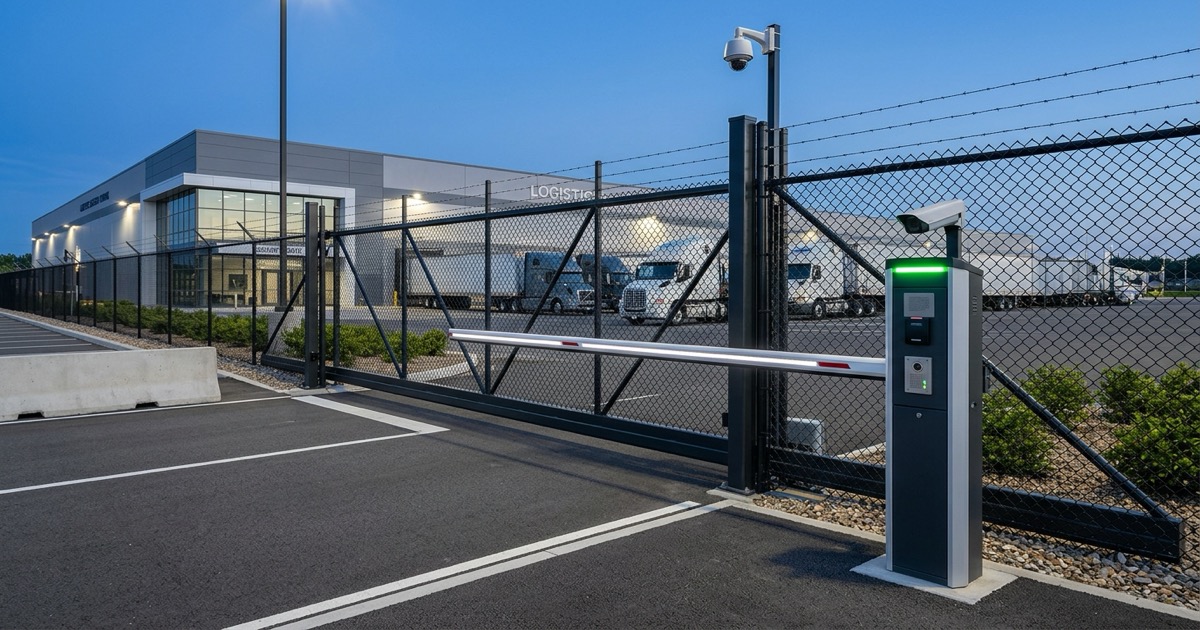
Secure facilities reduce this risk by providing a controlled environment. Gated access, surveillance, and on-site security mean that even during a shift change, the risk of theft or assault is dramatically lower than at an unmonitored location. Our article on how reservation-only parking prevents cargo theft details how access-controlled lots create multiple layers of protection.
The Resting Driver Isolated in the Cab
When one driver is off-duty and asleep in the bunk while the other is away from the truck, the resting driver is in a vulnerable position. They cannot easily monitor their surroundings, and if something goes wrong, they may not realize it until it is too late. Facilities with visible security presence, well-lit spaces, and active monitoring give the resting driver confidence that they are protected even when their partner is not in the cab.
Team Drivers as Higher-Value Targets
Team drivers often haul time-sensitive, high-value freight, the exact type of cargo that organized theft rings target. The Department of Transportation has noted that freight moving on team schedules tends to be electronics, pharmaceuticals, and other goods with high resale value. This makes the truck itself a bigger target, and it makes the choice of parking facility more consequential.
How to Choose Parking for Team Runs
Selecting the right parking facility for a team run requires more planning than for a solo trip. Here is a framework for making that decision.
Step 1: Plan Parking Along the Route Before You Leave
Do not wait until you are low on hours to find parking. Before departing, identify two or three team-friendly facilities along your route at intervals that match your expected shift-change points. Reserve spots in advance whenever possible. This is especially important on routes through high-demand corridors in North Texas where availability disappears early.
Step 2: Verify 24-Hour Access and Security
Call the facility or check their website to confirm that gate access is available around the clock. Ask about security features: cameras, fencing, lighting, and whether security is on-site or remote-monitored. If the facility cannot confirm these basics, find an alternative.
Step 3: Check Amenities Against Your Schedule
If your shift change happens at 2 AM, you need a facility where the showers, food, and lounge are accessible at that hour, or at least one where you can store food and access facilities independently. Review the amenity list against your specific schedule, not a generic “amenities available” claim.
Step 4: Evaluate the Layout
Team-friendly lots have wider spots, easier turnarounds, and separation between high-traffic areas and quiet zones. If you are booking online, look for photos or ask about the lot layout. A cramped lot where you have to back into a tight space at 3 AM is not team-friendly, no matter what the website says.
Amenities That Make or Break a Team Stop
Beyond the basics, certain amenities are particularly valuable for team drivers. Here is what separates a good team stop from a great one.
Power Hookups
Running the truck’s engine for climate control while one driver sleeps is expensive, noisy, and in many jurisdictions, illegal due to anti-idling laws. Shore power hookups let you run your climate control, charging systems, and appliances without idling, saving fuel and reducing noise for the resting driver.
Laundry Facilities
Team drivers spend more time on the road than solo drivers, which means they generate more laundry and have fewer opportunities to handle it. On-site laundry is a significant quality-of-life improvement that keeps teams on the road longer without needing to divert to a truck stop specifically for this purpose.
Meal Options
Whether it is a vending area, a food service counter, or proximity to restaurants that deliver, meal access matters more for teams because both drivers need to eat on different schedules. A solo driver can plan around restaurant hours. A team driver might need a meal at midnight and another at noon, and the facility should support both.
Driver Lounge and Workspace
A dedicated space outside the truck where the off-duty driver can relax, make calls, or work gives both drivers room to breathe. The cab is a workspace and a bedroom. Having a third space, even a simple one, reduces the psychological strain of sharing a small living area with another person for days or weeks at a time. As we cover in our semi-trailer parking checklist, the quality of on-site facilities directly impacts driver well-being and safety outcomes.
Reserving Parking as a Team: Best Practices
The reservation process for team drivers has some nuances that solo drivers do not face. Here is how to handle them.
Book Under Both Names When Possible
Some facilities allow you to add multiple driver names to a reservation. This is useful because it allows either driver to check in or access the facility independently, which is critical when one driver needs to enter while the other is still on the road or asleep.
Request End Spots or Pull-Through Spaces
Team drivers are more likely to arrive and depart at odd hours. An end spot or pull-through space reduces the risk of disturbing other drivers and makes it easier to navigate the lot when one driver is less familiar with the layout because they were sleeping during arrival.
Confirm Your Spot Is Held for Late Arrival
Some facilities release reserved spots if you have not checked in by a certain time. For team drivers, late arrivals are common. Confirm the hold policy when booking, and provide an estimated arrival time if the facility requires it.
Coordinate With Your Dispatch
Fleet dispatchers who know your team schedule can help you find and reserve parking that fits your shift-change timing. Share your HOS projections and preferred stops with dispatch so they can proactively identify availability issues before you are stuck searching at the last minute. For more on this, see our guide to the best places to securely park your semi truck in DFW.
Split-Schedule Driving and Parking Frequency
One of the biggest differences between solo and team parking is frequency. A solo driver might park once per day, typically overnight. A team driver might park two or three times in a 24-hour period: once for a full rest, once for a shift change, and possibly once for a meal or shower break. This means the quality and availability of parking matters more because you are interacting with it more often.
Team drivers should identify facilities along their regular routes that can serve as reliable waypoints for all of these stops. Building a mental map of team-friendly facilities is an investment that pays dividends on every subsequent run. SafeStop’s secure, amenity-equipped DFW facility is designed with team drivers in mind, offering 24-hour access, monitored security, and the amenities that dual-driver schedules demand.
The Bottom Line for Team Drivers
Team driving is demanding. The hours are long, the close quarters test patience, and the schedule leaves little room for the unexpected. Parking should not be another source of stress. By choosing facilities that are built for the realities of team driving — 24-hour access, real security, split-schedule amenities, and space to breathe — you protect your cargo, your partner, and yourself.
The facilities that get team driving right are the ones that understand it is not just about a place to park. It is about a place to live, work, and rest while you keep America’s freight moving around the clock.
Frequently Asked Questions
Can team drivers park at any truck parking facility?
Technically yes, but not every facility is designed for team operations. Many lots have limited amenities, restricted gate hours, or layouts that make late-night arrivals and departures difficult. Team drivers should specifically seek out facilities with 24-hour access, on-site amenities like showers and WiFi, and security features that protect both the resting driver and the cargo during shift changes.
Do team drivers pay more for parking?
In most cases, team drivers pay the same rate as solo drivers for a single parking spot. However, the value proposition is different because teams use the facility more intensively: two people showering, using WiFi, accessing lounges, and so on. Some premium facilities offer team-specific packages that include additional amenities or guaranteed access for a slightly higher rate.
What is the biggest parking challenge for team drivers?
The biggest challenge is finding parking that accommodates the team’s around-the-clock schedule. Most truck parking is designed for solo drivers who arrive in the evening and depart in the morning. Team drivers may need to arrive, depart, and access amenities at any hour, and many facilities are not staffed or equipped to support that pattern.
How should team drivers handle shift changes at parking facilities?
The safest approach is to coordinate shift changes inside the facility’s secured perimeter. Both drivers should avoid leaving the truck simultaneously at unsecured locations. When both drivers need to be out of the cab, use the facility’s lounge or common area rather than stepping away from the truck, and always lock the cab and set any alarm systems when both drivers are outside.
Are there truck parking facilities specifically designed for team drivers?
While no facilities market themselves exclusively to teams, some are much better suited for team operations than others. Look for facilities with 24-hour staff or automated access, multiple amenity buildings, quiet zones separate from high-traffic areas, and wider parking spaces that make it easier to maneuver during late-night arrivals. SafeStop’s DFW facility is designed with these features in mind.
Should team drivers reserve parking in advance?
Frequently Asked Questions
What amenities do team drivers need at a truck parking facility?
Team drivers need 24-hour gate access so both can enter and exit independently, separate rest zones to minimize disruption during shift changes, on-site showers and laundry available around the clock, and strong WiFi for load board access and communication. Facilities that support concurrent use by two people on different schedules are essential.
Can both drivers in a team enter and exit a parking facility independently?
Yes, team-friendly facilities provide individual access codes or RFID credentials for each driver. This allows the resting driver to remain in the facility while the other departs, and the returning driver can re-enter without needing the partner present at the gate.
How do shift changes work at secure parking facilities?
During a shift change, the off-duty driver moves to the sleeper berth while the on-duty driver takes the wheel. At a parking facility, this means one driver may be resting in the truck while the other steps out for amenities. Secure lots with 24/7 surveillance protect the truck and cargo during these transitions.
Is team driver parking more expensive than solo parking?
Pricing is typically the same whether one or two drivers occupy the truck. The value comes from the amenities — a facility that supports team needs like 24/7 access, showers, and quiet zones is worth more to a team than a basic lot that only serves solo drivers.
How do team drivers find parking at off-peak hours?
Real-time parking apps and reservation systems are the best tools. Team drivers often arrive at unusual hours, so booking a spot in advance or checking live availability ensures you have a place to park regardless of when your shift ends.
Absolutely. Team drivers face the same availability crunch as solo drivers, but with the added complexity of needing facilities that can accommodate their schedule. Reserving in advance guarantees you a spot at a team-friendly facility, eliminates search time, and lets you plan your route with confidence. This is especially important on high-demand corridors where parking fills early.