
Secure Trailer Lots: 9 Security Checks Before You Park
The seven facility features that separate truly secure truck parking from a lot calling itself secure — fence, gate, cameras, lighting, staff, and more.
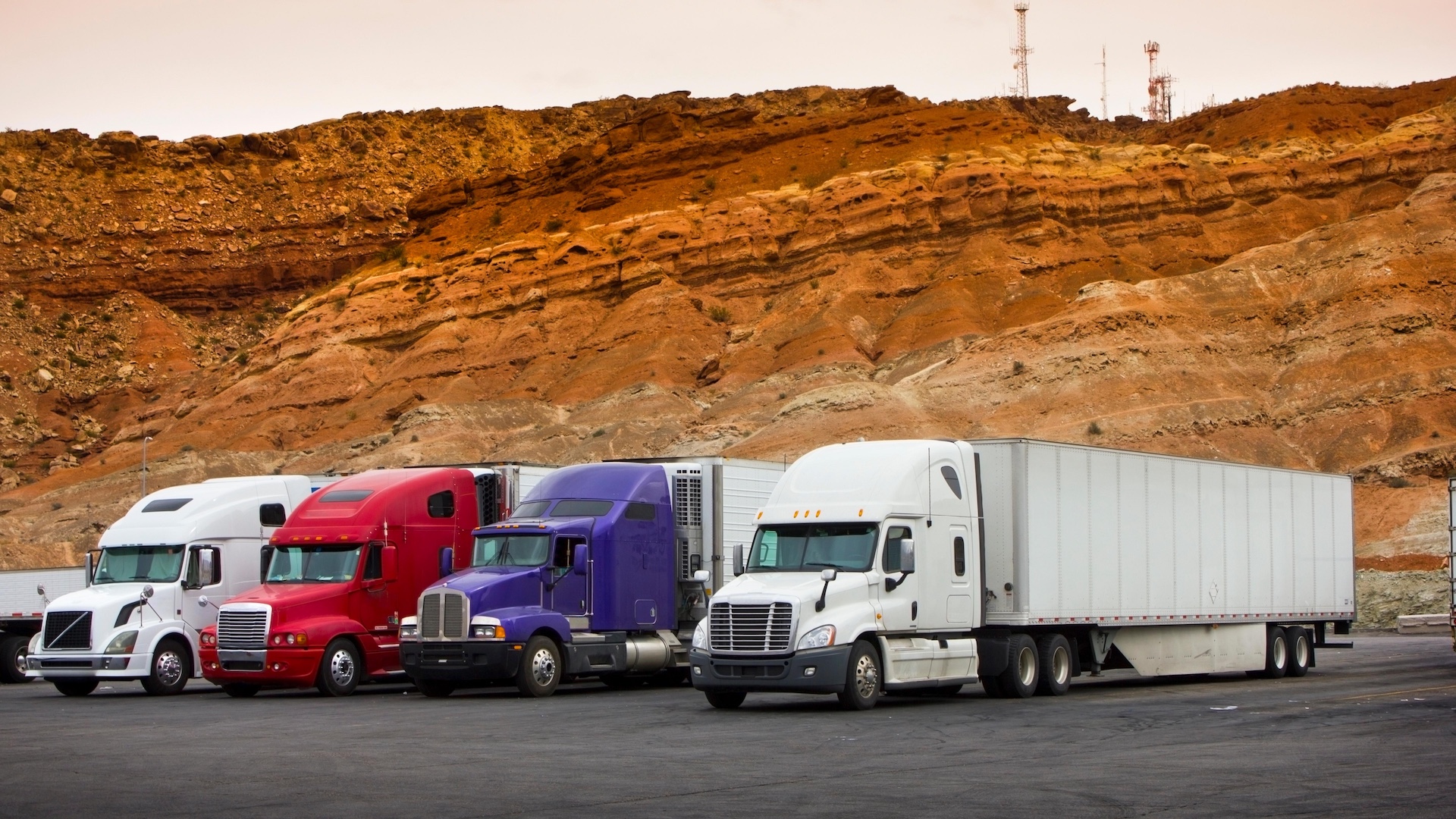
Every truck parking lot calls itself secure. The word appears on websites, signage, and brochures across the country. But when your loaded trailer is sitting unattended at 2 AM, marketing language doesn’t protect your cargo. The physical infrastructure of the facility does.
Cargo theft costs the freight industry hundreds of millions of dollars every year. According to the FMCSA’s cargo theft prevention resources, most theft happens in unsecured or poorly secured lots where trucks are left vulnerable overnight. The difference between a genuinely secure facility and one that just claims to be secure comes down to specific, measurable features that you can verify before you park.
This isn’t about what you should do as a driver when you park. This is about what the facility itself should have in place before you ever pull in. Here are the seven features that separate real security from window dressing.
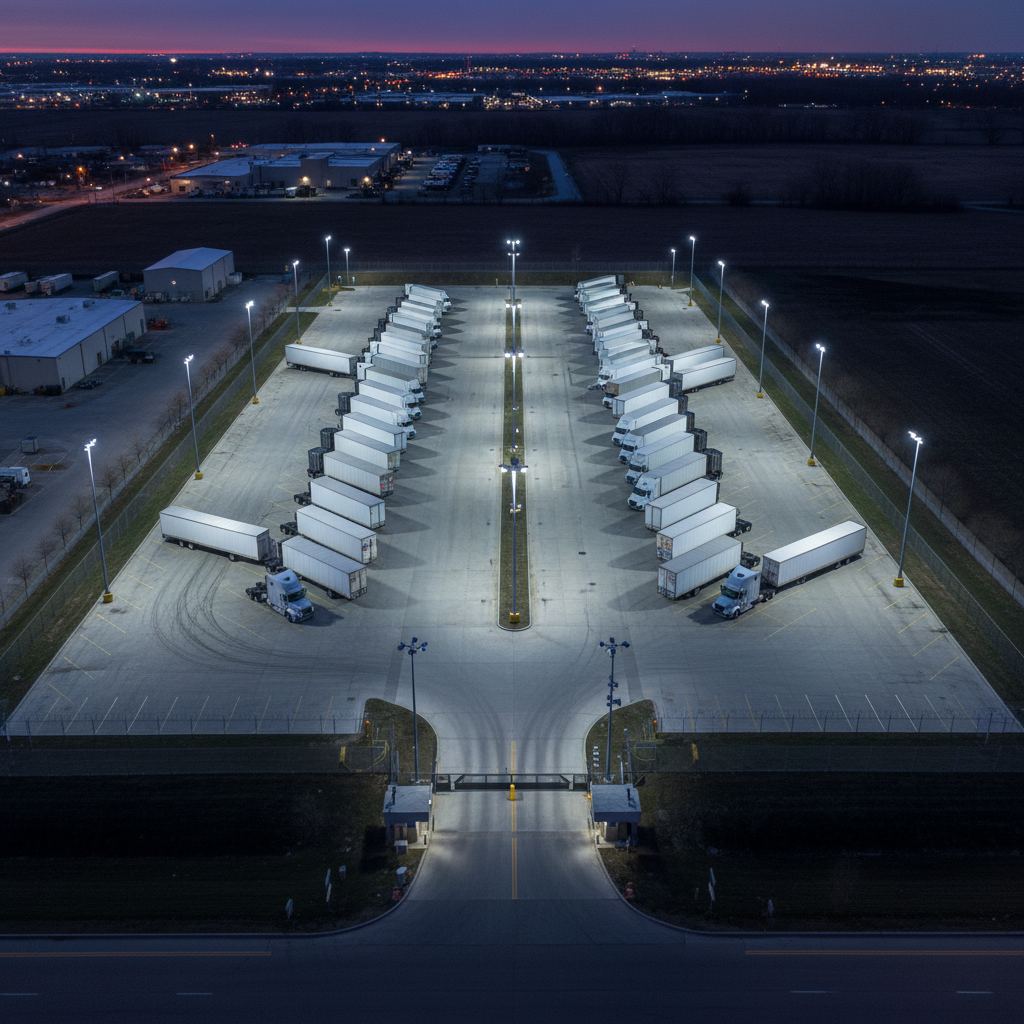
A truly secure truck parking facility combines perimeter fencing, controlled access, and 24/7 surveillance to protect your truck and cargo.
1. Perimeter Fencing That Actually Encloses the Property
A secure lot needs a complete perimeter fence. Not partial fencing. Not fencing on three sides with an open entry point. A full barrier that forces all traffic through controlled access points.
The fencing should be at least six feet high, made of chain-link with top rail or similar material that resists cutting and climbing. Walk the perimeter mentally as you approach — can you see gaps, broken sections, or areas where someone could enter without going through the gate?
Many lots advertise fencing but leave service entrances, back gates, or adjacent properties open. A fence with holes isn’t a security feature. It’s decoration.
At facilities like SafeStop, the perimeter is fully enclosed with no uncontrolled access points. Every vehicle enters and exits through a single monitored gate.
2. Controlled Access With Verification
Open lots where anyone can drive in at any time are not secure, regardless of what the sign says. True secure parking requires controlled access.
This means one of several systems:
- Gated entry with code access — Drivers receive a unique code for their stay
- Staffed gate with check-in — Personnel verify identity and purpose before allowing entry
- Electronic access cards — Registered users tap in and out, creating an audit trail
The key element is verification. If someone can drive a vehicle onto the property without being identified or logged, the access control doesn’t exist in any meaningful sense.
Ask about after-hours access. Some lots have staffed gates during business hours but leave the gate open at night. That defeats the purpose entirely. The access control needs to work around the clock, especially during the hours when most cargo theft occurs — between 10 PM and 5 AM.
3. Surveillance Cameras That Cover the Lot, Not Just the Entrance
Cameras are common. Cameras that actually provide security coverage are rare.
A facility serious about security will have cameras covering:
- All parking areas with no blind spots
- Entry and exit points (from multiple angles)
- The perimeter fence line
- Common areas like driver lounges or fuel islands
The cameras should record 24/7, not just during business hours. Ask how long footage is retained — reputable facilities keep at least 30 days of recordings. The resolution matters too. Low-resolution cameras that produce grainy footage are nearly useless for identifying vehicles or individuals after an incident.
Look for cameras mounted on poles and buildings throughout the lot, not just at the entrance. A single camera at the gate tells you who came in. Cameras throughout the property tell you what happened while they were there.
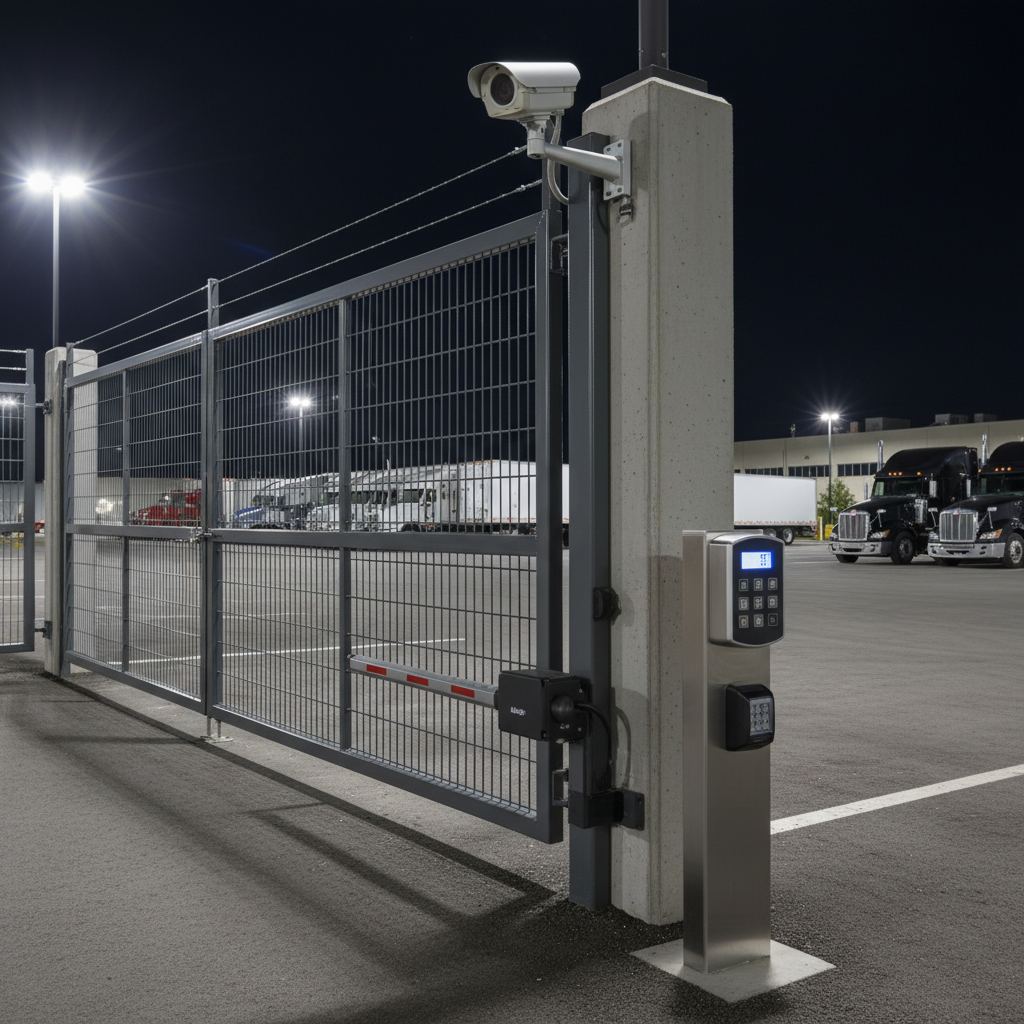
24/7 surveillance cameras paired with professional LED lighting ensure every corner of the lot is monitored and visible.
4. Professional Lighting Across Every Space
Darkness is the best friend of cargo theft. A well-lit facility deters criminal activity and makes surveillance footage usable.
Professional lighting means:
- Overhead lights covering every parking space, not just the driving lanes
- Consistent brightness with no dark pockets or shadows between fixtures
- LED or equivalent fixtures that don’t flicker, dim, or burn out frequently
- Lighting that operates from dusk through dawn, every night
Drive through the lot at night before committing. If you see dark areas between lights, sections of the lot that are barely visible, or lights that are out entirely, the facility isn’t taking lighting seriously.
SafeStop maintains lighting across every parking space on the property. Not just the perimeter. Not just the main drive. Every space where a truck sits should be as visible at 3 AM as it is at noon.
5. On-Site Staff or Security Presence
Cameras and fencing are passive security. They record what happened and they slow people down. But a physical presence on the property provides active deterrence that technology can’t match.
This doesn’t mean every lot needs armed guards patrolling the fence line. It means there should be someone on the property who can:
- Monitor the access gate and verify incoming traffic
- Respond to suspicious activity in real time
- Serve as a visible deterrent during overnight hours
- Contact law enforcement if an incident occurs
The presence doesn’t have to be a dedicated security officer. Facility staff who work overnight, attendants at the gate, or contracted patrol services all count. What matters is that someone is there and aware.
Facilities with no overnight presence rely entirely on passive measures. When something goes wrong at 2 AM, there’s no one to intervene. The camera records the theft. That helps with the police report. It doesn’t help you get your cargo back.
6. Entry And Exit Accountability
Most secure lots focus on who comes in. Stronger lots also have clear procedures for how vehicles leave.
Entry and exit accountability means the facility has a record of who is expected on site, when they arrived, and how to contact support if something looks wrong.
This can be as simple as gate procedures and reservation records, or as thorough as staff review at key points. The point is to reduce anonymous movement around parked equipment.
Without clear procedures, unauthorized vehicles can blend into normal activity more easily. Documented access and staff awareness make that harder.
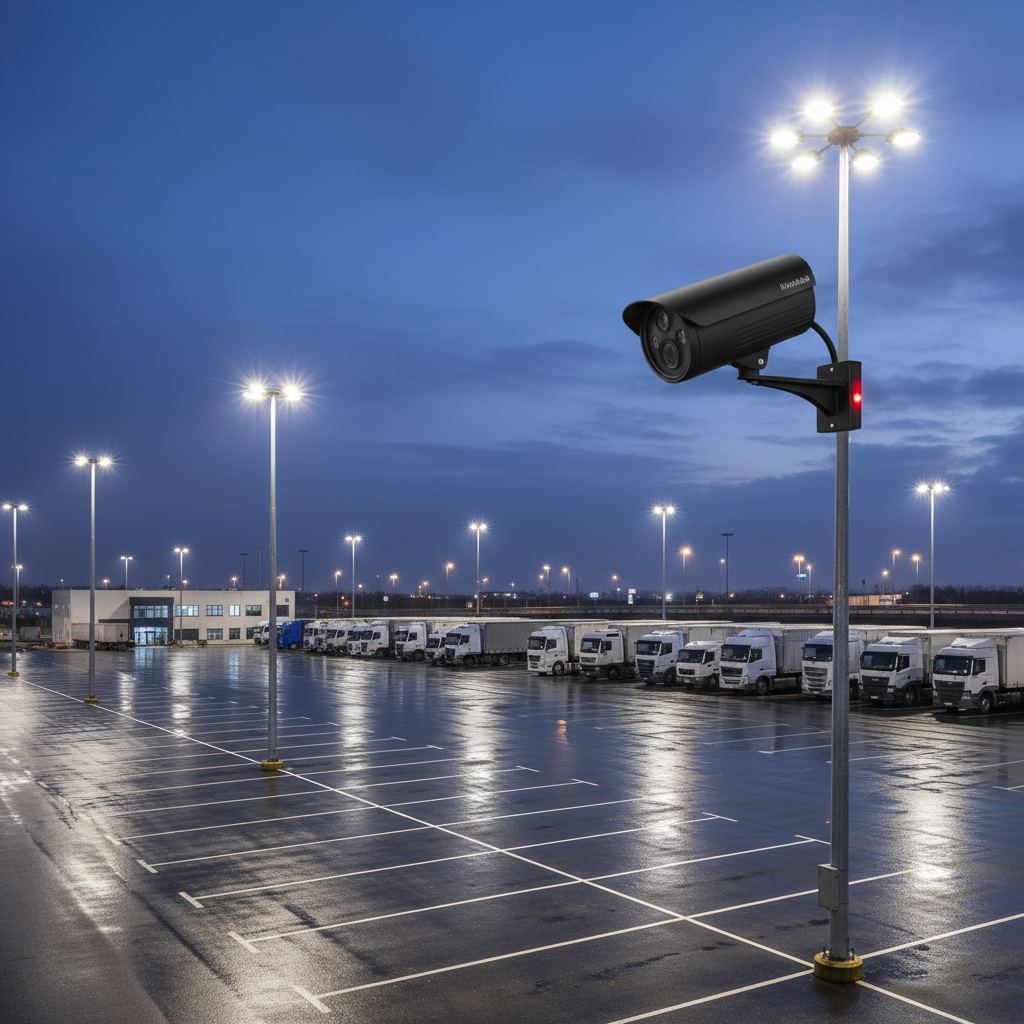
Entry and exit accountability helps the property understand which vehicles belong on site.
7. Location and Surrounding Environment
Security features don’t exist in a vacuum. The facility’s location matters as much as its infrastructure.
Lots in industrial or commercial areas with regular activity tend to be safer than lots in isolated, unlit areas surrounded by empty fields or abandoned buildings. Active surroundings mean more witnesses, more traffic, and less opportunity for criminals to operate undetected.
Proximity to major highways is a double-edged sword. It’s convenient for drivers, but it’s also convenient for thieves looking for quick access and escape routes. The best facilities balance accessibility with environment — close enough to interstates to be practical, but in areas with enough commercial activity to deter crime.
SafeStop operates in an active commercial zone within the DFW area. The surrounding activity provides a natural layer of security beyond what the facility builds internally.
How to Verify These Features Before You Park
Don’t take a facility’s word for it. Before you park at any lot for the first time:
- Call ahead and ask specific questions. Ask about fencing, camera coverage, access control, and overnight staffing. Vague answers are a red flag.
- Check online reviews. Drivers report security issues honestly. Look for mentions of theft, break-ins, or suspicious activity.
- Drive through the lot first. If possible, do a quick pass before committing. Check the lighting, look for cameras, and assess the overall condition.
- Trust your instincts. If a lot feels neglected, poorly maintained, or sketchy, find somewhere else. Your cargo is worth more than the parking fee.
The Bottom Line on Facility Security
A secure truck parking facility is defined by its infrastructure, not its marketing. Fencing, controlled access, camera coverage, lighting, staffing, documented procedures, and location all work together to create an environment where drivers can actually rest instead of worrying about their trucks.
When you’re evaluating where to park, look for these seven features. Any facility that’s serious about security will have most or all of them. And they’ll be happy to talk about them when you call. For more on industry-wide theft trends, see the ATA’s cargo theft statistics and the TT Club’s cargo theft mitigation guidance.
SafeStop was built around these principles: reservation-only parking in DFW with controlled access, camera coverage, lighting, and on-site staff. Check our FAQs for answers to common questions, or reserve a spot and park somewhere designed to reduce exposure while you rest.
Frequently Asked Questions
What makes a truck parking facility truly secure?
A truly secure truck parking facility usually combines perimeter fencing, controlled access, monitored cameras, strong lighting, on-site staff or security presence, documented access procedures, and a safe location in an active commercial environment. Missing several of these features is a reason to ask more questions before you park.
How can I tell if a truck parking lot is actually safe?
Before parking, call ahead and ask specific questions about fencing, camera coverage, access control, and overnight staffing. Check online reviews for reports of theft or suspicious activity. If possible, drive through the lot first to assess lighting, camera placement, and overall condition. Vague answers from staff or visible security gaps are red flags.
Is controlled access really necessary for secure truck parking?
Yes. Without controlled access, anyone can drive onto the property at any time, which makes all other security measures far less effective. According to the FMCSA, most cargo theft occurs during overnight hours in lots without proper access control. A gated entry with verification — whether by code, staff, or electronic card — is a baseline requirement for any lot claiming to be secure.
Why is vehicle accountability important at truck parking facilities?
Vehicle accountability helps the facility understand who belongs on the property. Reservation records, gate procedures, and staff awareness can make suspicious movement easier to question before it becomes a bigger issue.
What should I look for in truck parking security cameras?
Look for cameras covering all parking areas with no blind spots, not just the entrance. Cameras should record 24/7 with at least 30 days of footage retention. Resolution matters — grainy footage is nearly useless for identifying vehicles or individuals after an incident. Cameras should be mounted on poles and buildings throughout the property.
Does SafeStop have all seven security features?
SafeStop in DFW provides perimeter fencing, gated controlled access, monitored cameras, lighting, and on-site staff in an active commercial area. Visit our amenities page for current facility details.