
The Real Cost of Unsafe Rest Stops
The short version: An unsafe rest stop is not free. ATRI research shows drivers lose about 56 minutes of drive time a day hunting for parking, roughly a $4,600 cut in annual earning capacity.
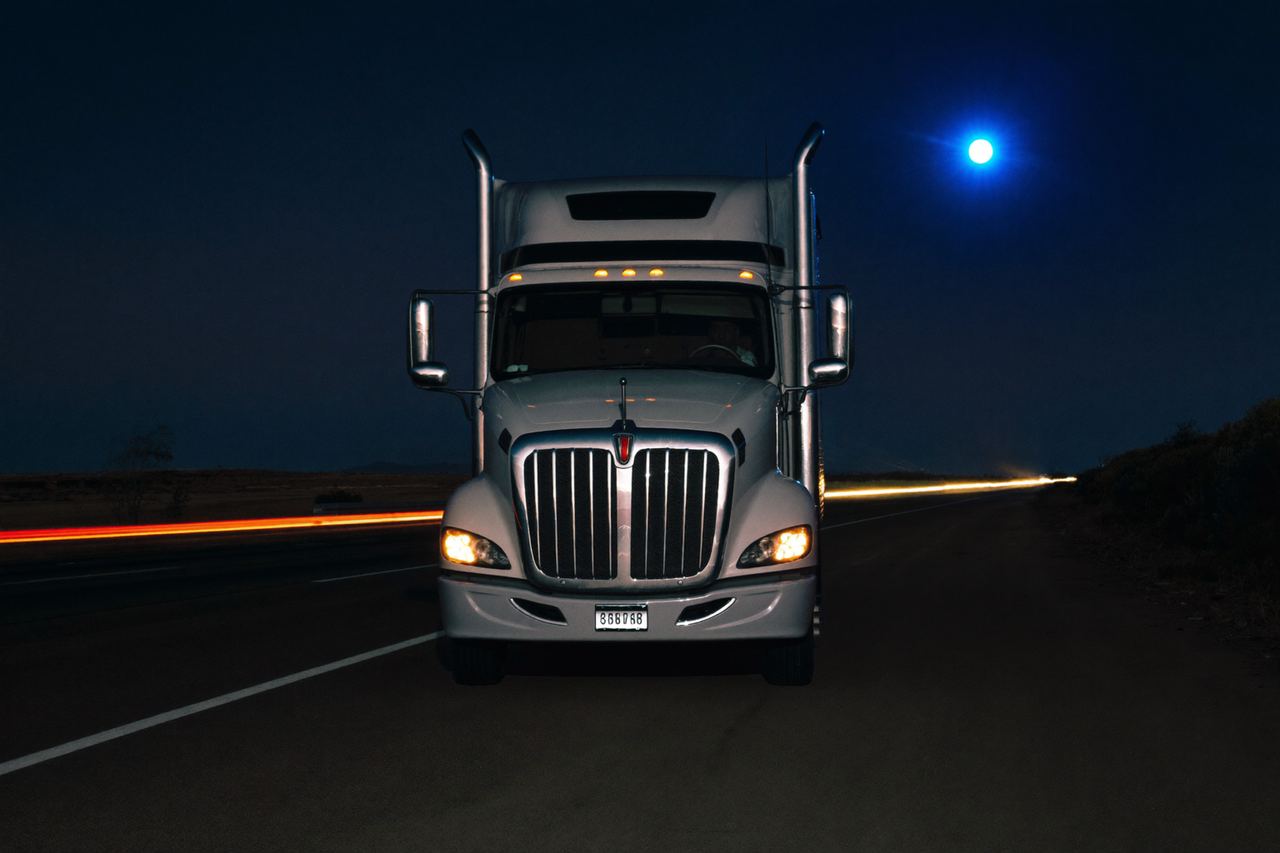
The short version: An unsafe rest stop is not free. ATRI research shows drivers lose about 56 minutes of drive time a day hunting for parking, roughly a $4,600 cut in annual earning capacity. Add the fuel burned circling, the freight you expose, the hours-of-service risk, and the safety toll the NTSB has tied to the parking shortage, and the “free” shoulder or unsecure lot turns into the most expensive spot on the route.
A free rest area, a quiet shoulder, an unfenced lot off the exit: they all feel like the cheap choice at the end of a long day. The trouble is that the real bill does not show up at a pay window. It shows up in lost time, in fuel, in risk, and sometimes in tragedy. Read the whole invoice and unsafe parking becomes one of the most expensive habits in trucking.
Why does an unsafe rest stop have a cost at all?
Because “free” only describes the parking fee. Everything else still gets charged: the time you spend looking, the diesel you burn, the exposure of your rig and your load, and the compliance and safety risk you take on. And unlike a one-time expense, this bill recurs every night you gamble on where to stop.
Line item 1: lost time and lost income
Start with the clock. Research from the American Transportation Research Institute (ATRI) found that drivers lose about 56 minutes of available drive time per day looking for parking. ATRI estimates that lost productivity is equivalent to roughly a $4,600 cut in annual pay for a driver. That is close to an hour a day you cannot drive, cannot earn from, and cannot get back.
Line item 2: fuel and wear
In addition to the lost time, circling a full lot, detouring to the next exit, and idling while you look around all burn diesel and add miles and wear for zero revenue. In a tight market, those gallons come straight off the bottom line, night after night.
Line item 3: the safety bill
The most serious cost is measured in lives. After a 2023 crash in Highland, Illinois, in which a bus struck three commercial trucks parked on a highway exit ramp for lack of available space, killing three people, the National Transportation Safety Board pointed to a critical lack of safe truck parking as a contributing factor. When drivers run out of hours with nowhere legal to stop, ramps and shoulders become the only option, and those spaces are dangerous for everyone on the road.
Line item 4: compliance and cargo exposure
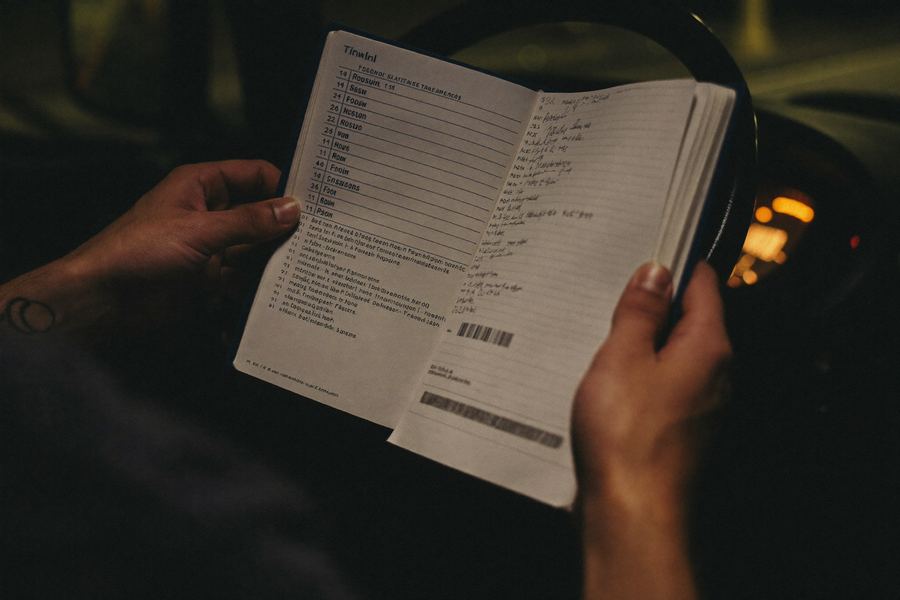
Two more charges hide at the bottom of the invoice. First, compliance: when there is nowhere to stop, drivers are pushed toward hours-of-service violations, which carry fines and put points on a carrier’s safety record. Second, cargo: an unsecured lot or ramp is a soft target for overnight theft, and a single stolen load can dwarf every other cost on this list. We break down how to protect freight in our companion post on reducing cargo theft risk overnight.
| Cost | Unsafe or “free” stop | Secure reserved spot |
|---|---|---|
| Drive time | Up to ~56 min/day lost searching | Spot is waiting; no hunt |
| Fuel and wear | Burned circling and detouring | Drive straight in and shut down |
| Safety | Ramps and shoulders; high risk | Gated, lit, monitored facility |
| Compliance | Pressure to push past HOS limits | A legal place to complete your rest |
| Cargo | Exposed to overnight theft | Behind a gate, under cameras |
A free parking spot that costs you an hour of drive time, your safety, and your peace of mind is not free. It is the most expensive spot on the route.
Frequently asked questions
How much time do truckers lose looking for parking?
ATRI research puts it at about 56 minutes of drive time per day on average, which the institute estimates is equivalent to roughly a $4,600 annual pay cut for a driver.
Is unsafe parking really a safety risk, or just an inconvenience?
It is a documented safety risk. The NTSB tied a fatal 2023 crash in Highland, Illinois, in part to a lack of safe truck parking that forced trucks onto a highway exit ramp.
Does paying for a secure spot actually save money?
For most drivers it does once you count the full invoice. Recovered drive time, saved fuel, avoided violations, and protected cargo usually outweigh a modest, predictable parking fee.
The takeaway
Add up the lost drive time, the wasted fuel, the safety risk, the compliance pressure, and the exposure to theft, and a secure reserved spot stops looking like an expense and starts looking like protection. You can read more on the SafeStop blog, or plan your next reservation with SafeStop.
Sources
- American Transportation Research Institute (ATRI), research on lost drive time and the cost of truck parking. truckingresearch.org
- National Transportation Safety Board (NTSB), investigation of the 2023 Highland, Illinois crash. ntsb.gov
- Federal Motor Carrier Safety Administration (FMCSA), Hours of Service regulations. fmcsa.dot.gov