
Straight Cargo Theft in 2026: New Data and How to Counter It
Losses doubled to $304.6 million in Q2 2026 even as theft counts fell. Here is what the newest CargoNet, Overhaul, and ATRI data says, and how drivers counter the physical kind of cargo theft.
The short version: Straight cargo theft is the physical kind: someone steals freight or a loaded trailer where it sits. The newest industry data shows fewer incidents but far bigger losses. Verisk CargoNet counted 677 thefts in Q2 2026, down 26 percent from a year earlier, yet estimated losses more than doubled to $304.6 million. Texas ranks second in the country for cargo theft, and 64 percent of the thefts recorded at truck stops and fuel stations nationwide happened in Texas. The most dangerous window is midnight to 6 a.m. The most reliable counter is simple: never leave a loaded unit unattended in an unsecured location.
Straight theft vs. strategic theft
Industry analysts split cargo crime into two families. Strategic theft is fraud: fake carriers, compromised accounts, and fictitious pickups where the load is signed away before anyone touches a bolt cutter. Straight theft is physical: pilferage from a parked trailer, theft of a full truckload, or a loaded trailer that disappears from a lot overnight.
Both are real, but they are countered in different ways. Strategic theft is fought with verification and paperwork. Straight theft is fought with where and how you park. This article focuses on the physical side, because that is the part every driver and fleet controls directly.
What the 2026 numbers actually say
Three independent data sets came out in recent weeks, and they agree on the pattern.
Fewer thefts, much bigger losses. Verisk CargoNet's Q2 2026 analysis recorded 677 incidents across the US and Canada, a 26 percent decline year over year. Losses went the other way, reaching $304.6 million, more than double Q2 2025, with the average reported theft valued at $564,009. As CargoNet's Keith Lewis put it, lower incident volume should not be mistaken for lower risk. Thieves are not stealing less. They are choosing better.
Texas sits near the top of every list. Overhaul's US Q2-2026 Cargo Theft Report puts Texas second among all states at 18 percent of national incidents, and rising: 16 percent a year ago, 17 percent last quarter, 18 percent now. Dallas is named among the high-risk freight hubs. When Overhaul breaks thefts down by location, truck stops and fuel stations account for 15 percent of national incidents, and 64 percent of those happened in Texas. In other words, the single riskiest kind of public parking in America is concentrated in our backyard.
The overnight window does the damage. The same report found 28 percent of thefts occur between midnight and 6 a.m., the highest share of any six-hour block. Friday is the most active day. That maps exactly to how drivers actually operate: loads staged for Monday delivery, trailers parked over the weekend, hours-of-service clocks forcing a stop wherever there is space.
Holidays multiply the exposure. A five-year CargoNet analysis covered by FreightWaves tracked 273 thefts worth roughly $31.8 million around Labor Day alone, with annual counts up 70 percent since 2021. Texas was the second most targeted state. The mechanism is no mystery: freight sits still during closures, and stationary loaded freight is what straight theft feeds on.
The bill lands on carriers. The American Transportation Research Institute's study, The Fight Against Cargo Theft, estimates the industry loses as much as $6.6 billion a year, more than $18 million every day. Motor carriers who participated in the research averaged over $520,000 in annual theft losses, and that is before the costs that never show up on a claim: lost customers, higher premiums, and equipment stuck in an evidence lot.
One honest caveat
CargoNet also noted that organized theft of unattended loaded trailers declined this quarter, including in Dallas-Fort Worth. That is genuinely good news, and it deserves to be said plainly. But the same report shows why nobody should relax: the money lost per theft exploded, metals thefts jumped from 54 to 80 events, and thieves are following value wherever it parks. Fewer, bigger, and more selective is not a safer environment. It is a more professional one.
How drivers and fleets counter straight theft
Plan the stop before the clock forces one. Most bad parking decisions are made in the last 30 minutes of drive time. Reserving a spot ahead turns the riskiest moment of the day into a non-event. Our guide to reservations versus first-come parking covers why a guaranteed space protects both your load and your hours.
Do not leave loaded equipment in unsecured lots. In Overhaul's location data, unsecured parking accounts for three times the share of thefts that secured parking does, 9 percent against 3 percent. A fence you can drive around, a lot with no staff, or a shoulder near the interstate is exactly where pilferage and full-trailer theft happen.
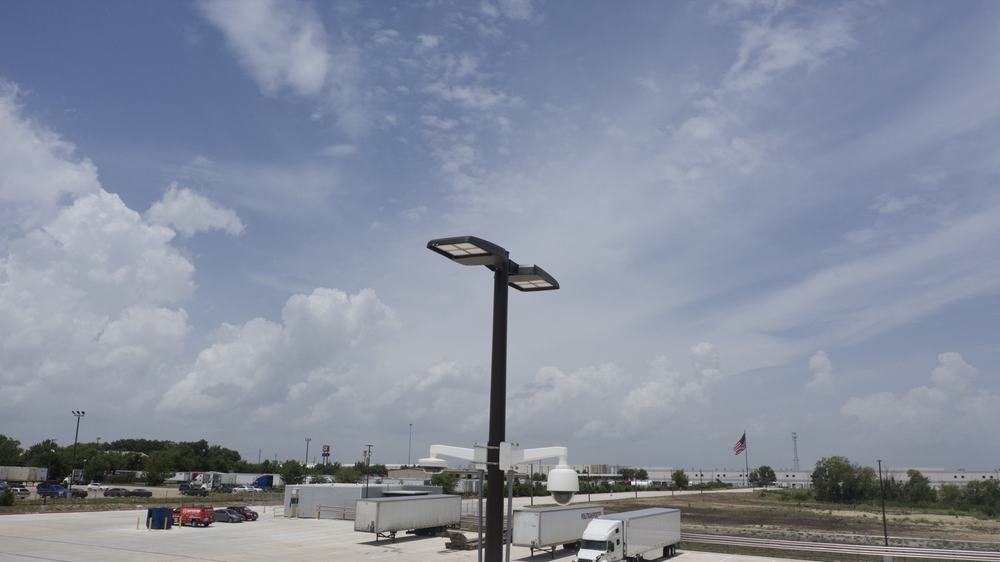
Favor gated, staffed, camera-monitored facilities. Controlled entry means every vehicle is logged in and out. Staff on site around the clock means the midnight to 6 a.m. window has witnesses. License plate recognition means a stolen unit leaves a trail. We wrote a full checklist of what makes a parking facility actually secure if you want the details.
Treat weekends and holidays as high-risk by default. If a load must sit over a closure, it should sit behind a gate, not at a fuel island or an empty industrial street. The Labor Day data shows theft crews plan around the freight calendar. Fleets should too.
Document and verify. Overhaul's recommendations for shippers apply to drivers too: seals recorded and photographed, trailer and plate numbers on file, and any surprise change to pickup or delivery instructions treated as a red flag until verified. That is where straight theft and strategic theft overlap, and cheap discipline beats both.
Where SafeStop fits
SafeStop was built around the exact conditions this data describes: gated access, 24/7 on-site staff, monitored cameras with license plate recognition, perimeter fencing, and bright lighting, five minutes south of downtown Dallas at I-45 Exit 273. Drivers can see the security setup here, and carriers and 3PLs who need protected staging for loaded equipment can learn how we work with fleets. Reserve online or park onsite, any hour, any night, including the ones between midnight and 6 a.m.